
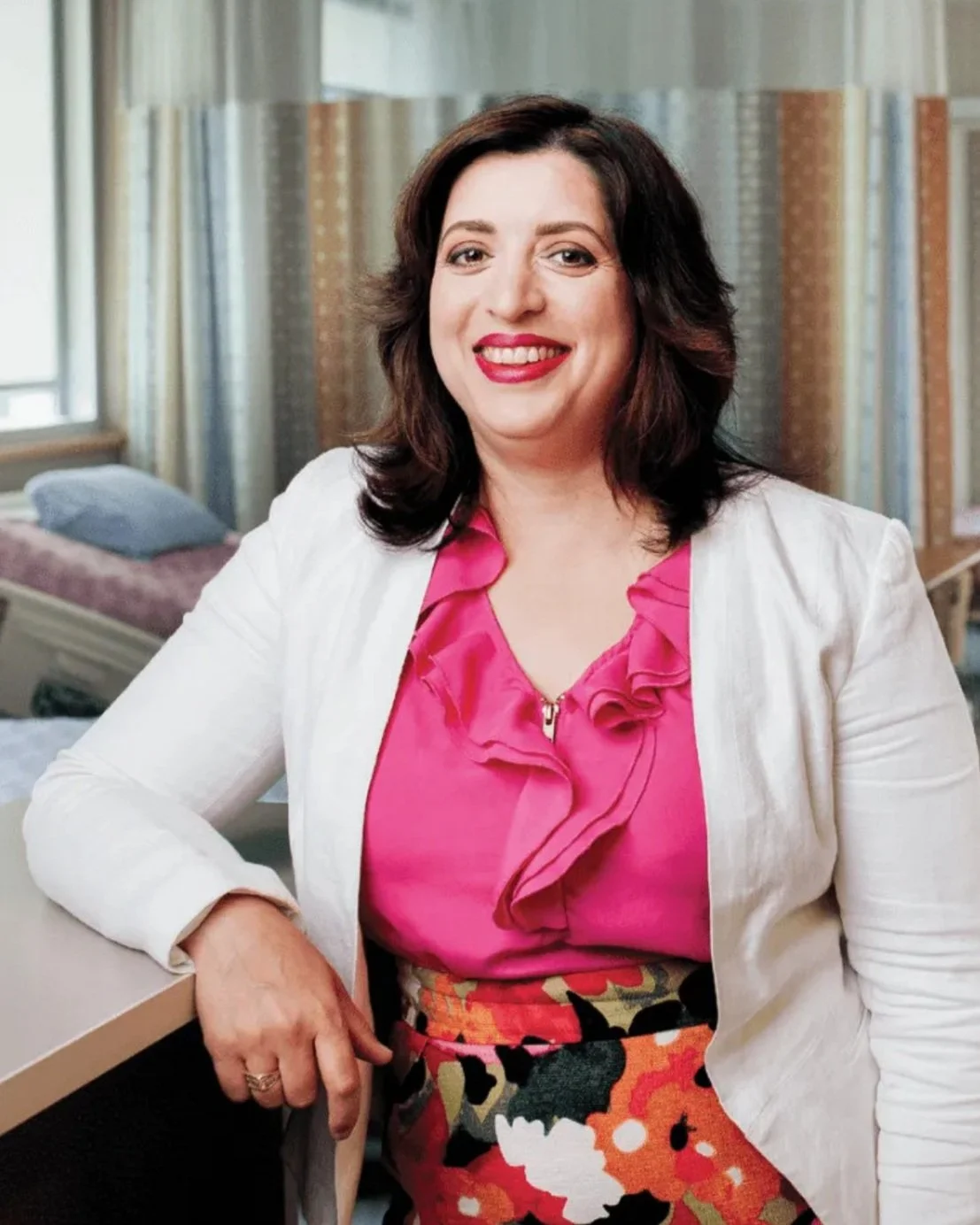
Dr. Andrea Haqq
Pioneering Better Treatments for Pediatric Diabetes
Dr. Andrea Haqq and her team at the University of Alberta are leading two major studies aimed at helping adolescents living with obesity and insulin resistance. Their goal is to stop Type 2 diabetes before it starts and to give doctors better tools to monitor child health.
Protecting the Future of Our Youth
“Dr. Haqq is leading the first-ever pediatric trial testing metformin plus dietary fiber to improve insulin sensitivity. If successful, it could better manage childhood obesity and prevent type 2 diabetes.”
The MetFiber Study
Can Fiber + Medication Stop Diabetes?
Adolescents with severe obesity are at a very high risk of developing Type 2 diabetes. Dr. Haqq is currently running a clinical trial to see if combining a common medication with a specific fiber mix can fix the body's internal chemistry.
The Power of the Gut: Both Metformin and dietary fiber work by changing gut microbes (the healthy bacteria living in your digestive system).
The Goal: The team believes that using both together will improve insulin resistance (when the body's cells don't respond properly to insulin) more effectively than using one alone.
Progress: The study has already screened nearly 90 eligible teens and is actively collecting samples to see how this treatment changes their metabolism and inflammation levels.
The P3DS Study
3D Scanning for Faster, Safer Health Checks
To manage a child’s health, doctors need to know their body composition—the balance of fat, muscle, and bone in their body. Traditional methods can be slow, expensive, or involve radiation.
High-Tech Solutions: This study is testing 3-Dimensional Optical (3DO) Body Scanners. These are quick, non-invasive, and radiation-free tools that create a digital map of the body in seconds.
The Goal: Establishing accuracy and clinical relevance in adolescents represents a crucial step toward real-world application in pediatric health assessment.
Current Status: Over 30 adolescents have already been enrolled as part of this study.
Why this is a breakthrough:
A Cooperative Approach: By combining medication with nutrition (fiber), this research looks for a more powerful way to reverse insulin resistance than current individual treatments.
Radiation-Free Monitoring: Validating 3D scanners for children offers a safe, radiation-free alternative to traditional imaging, making regular health checks easier for families.
Early Detection: These tools aim to identify "invisible" risks, such as fat-to-muscle imbalances and systemic inflammation, long before they lead to chronic disease.
Precision Pediatric Care: This research moves away from "one-size-fits-all" advice toward tailored health management designed specifically for the needs of growing teenagers.

Supporting Research with Advanced Technology
Thanks to a generous donation, the Alberta Diabetes Foundation has provided Dr. Haqq’s team with a 3D Optical Body Scanner to support the P3DS Study.
By assessing the body composition of 60 adolescents with and without type 2 diabetes, researchers aim to validate this technology as a quick, accessible, and affordable method to measure body fat, including harmful fat around organs.
This innovative approach has the potential to improve how childhood obesity and diabetes are managed, providing practical tools for both researchers and clinicians to enhance care.
These advancements are only possible because of the donors who support the Alberta Diabetes Foundation.
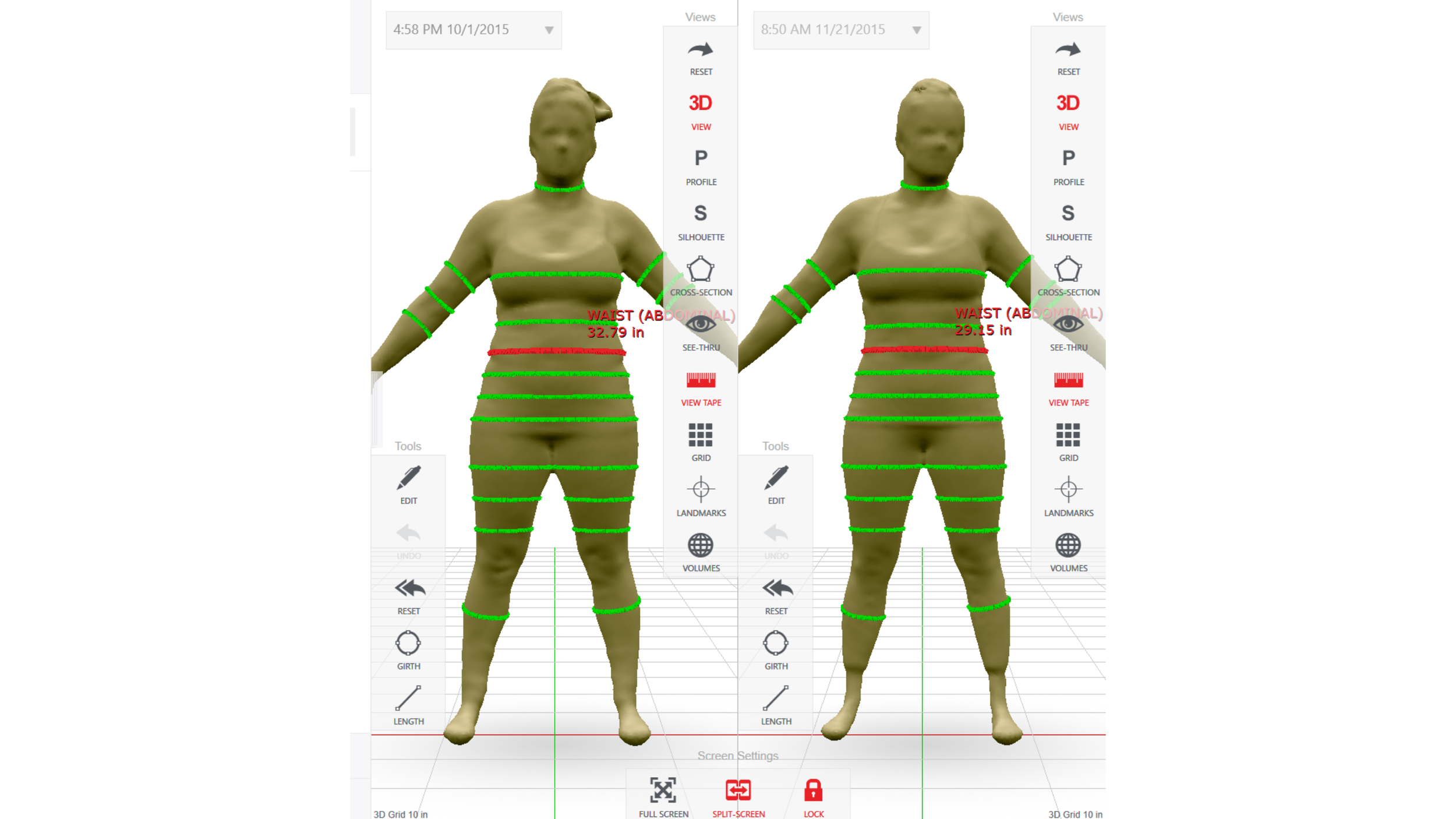
3D Optical Body Scanner
Our Path to a Healthier Generation
Dr. Haqq’s research is focused on clear, measurable goals to improve the lives of Alberta's youth. Your support helps the team reach these specific milestones:
For the MetFiber Study
Key Objectives:
Test Combined Therapy: Evaluate how a specific dietary fiber mix and Metformin work together over six months to improve blood sugar and metabolism.
Monitor Inflammation: Track changes in systemic inflammation and body composition in adolescents with obesity and insulin resistance.
Analyze Gut Microbes: Study how these treatments change the "good bacteria" in the gut to identify exactly how they prevent Type 2 diabetes.
Complete Recruitment: Successfully enroll the remaining 12 participants by March 2026 to ensure the study results are scientifically robust.

For the P3DS Study
Key Objectives:
Validate New Tools: Compare 3D Optical (3DO) body scanners against the current "gold-standard" hospital equipment to prove they are accurate for kids.
Ensure Precision: Test the scanners multiple times to make sure the results are consistent and reliable for clinical use.
Remove Barriers: Prove that these quick, radiation-free scanners can be used in regular pediatric clinics, making high-quality health checks accessible to everyone.
Finish Data Collection: Complete the scanning and data analysis for 90 participants by mid-2026

Bridging the Gap Between Research & Reality
These advancements are only possible because of the donors who support the Alberta Diabetes Foundation. Your support ensures that even when challenges arise the research doesn't stop.
Whether you give a one-time gift or help share our story, you are a vital partner!