
Dr. James Shapiro received the 2025 Dr. Raymond Rajotte Lifetime Achievement Award the Hummingbird Awards Gala.
Dr. James Shapiro
Pioneering Stem Cell-Derived Islet Transplantation
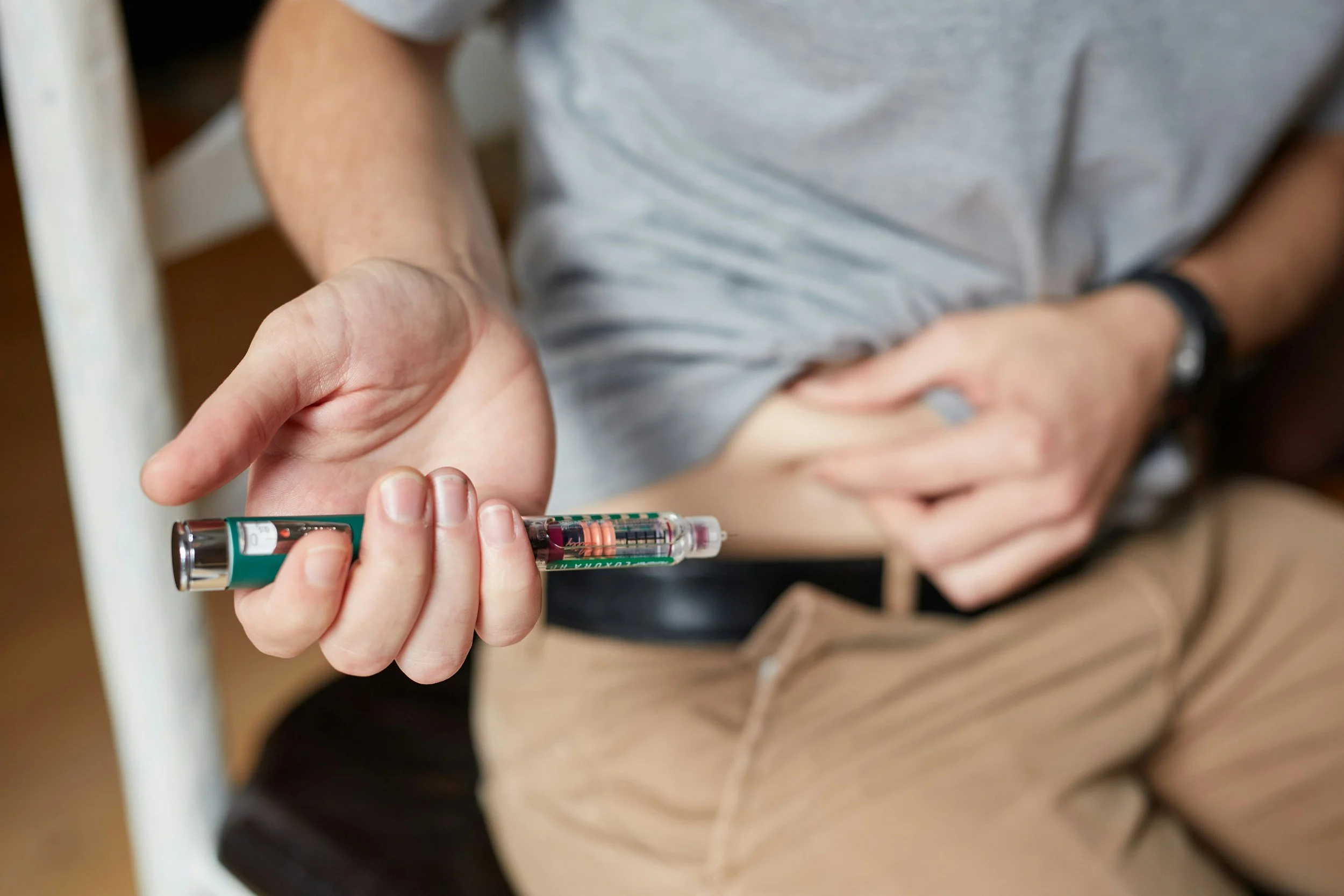
Dr. James Shapiro and his world-renowned lab at the University of Alberta are dedicated to a singular, transformative goal: generating a renewable, unlimited supply of insulin-producing cells to eliminate the need for daily injections and donor organs.
The Science of "Reprogramming"
“The Shapiro Lab is currently perfecting a method to supplement or replace damaged pancreatic cells with new, healthy ones manufactured from a patient’s own blood.”
At the heart of this research are Induced Pluripotent Stem Cells (iPSCs)
These are mature cells (like those found in blood) that scientists "reprogram" back into a malleable, "blank slate" state. Once reverted, these cells can be "re-differentiated" (transformed) into any cell type, specifically pancreatic islet β-cells (the cells responsible for producing insulin).
Why this is a breakthrough:
No Rejection: Because these cells are created from the patient's own body, they are recognized by the immune system. This means patients may need minimal to no anti-rejection drugs (immunosuppressants), which are typically required for life after a standard transplant.
Unlimited Supply: Unlike donor organs, which are in short supply, iPSCs provide a renewable source of cells that can be grown in a lab.
Proven Success: In recent preclinical tests, these lab-grown cells successfully reversed diabetes and functioned just like natural human islets.
From the Lab to the Patient
Making cells for one person is different from producing them safely and reliably for thousands. The team is currently moving from successful lab tests toward clinical trials
Key Objectives for 2026:
Scaling Up: Using advanced Bioreactors to produce cells at a scale ready for hospital use.
Cryopreservation: Refining the process of safely freezing and thawing these manufactured islets so they can be shipped and used whenever a patient needs them.
Advanced Imaging: Partnering with experts to use non-invasive scanning to monitor the health and safety of transplanted cells in real-time.


Help Drive Discovery
Science of this magnitude requires significant resources.
Reliable, large-scale production is the final hurdle between this research and the patients who need it most. Every dollar donated to the Alberta Diabetes Foundation (ADF) stays in Alberta, directly fuelling research, treatment and care